

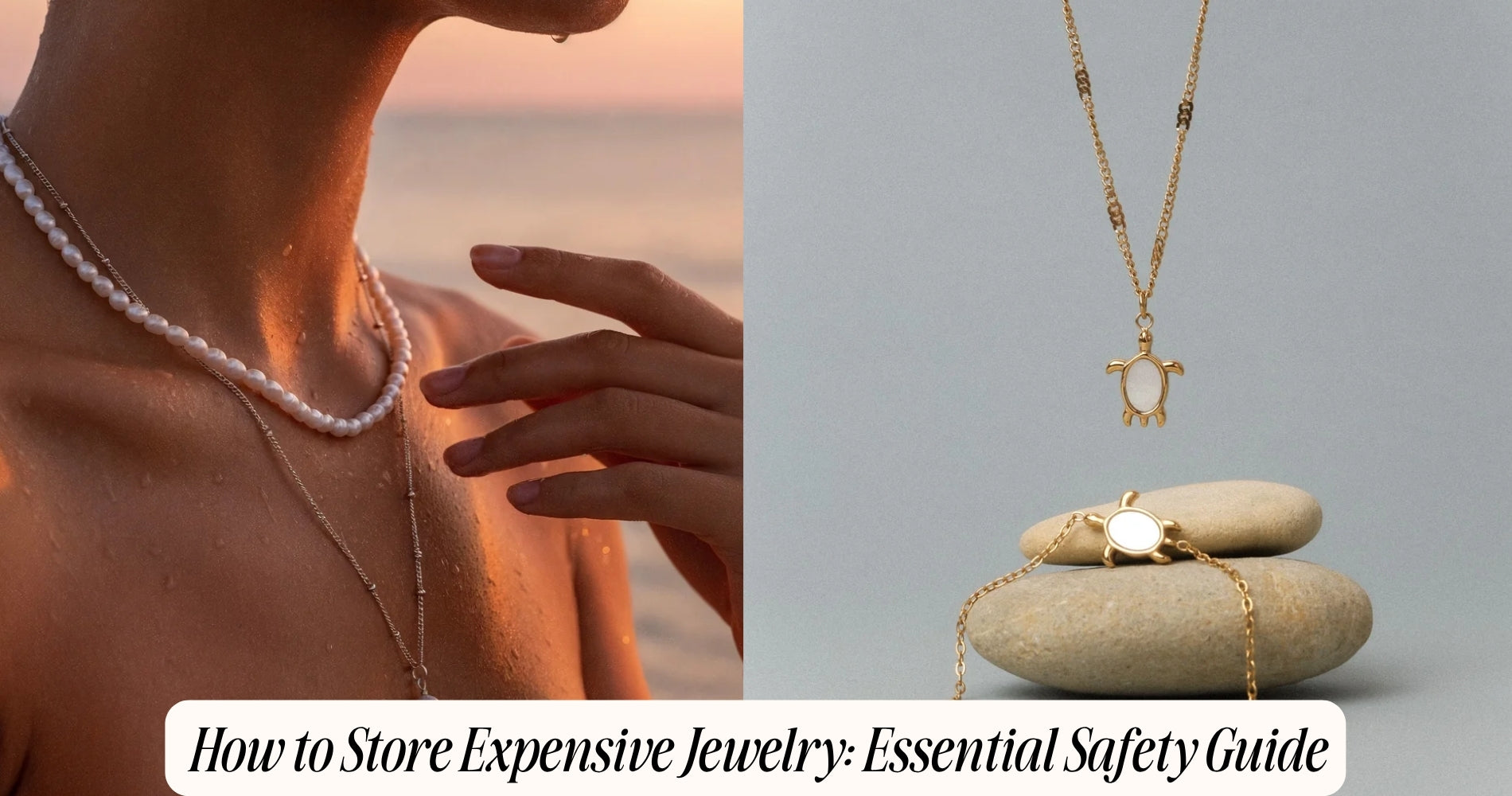
How to Store Expensive Jewelry: Essential Safety Guide
Owning fine jewelry, whether an heirloom piece, an engagement ring, or a significant investment purchase, comes with an added responsibility beyond simply keeping it clean and tangle free. Learning how to store expensive jewelry properly involves thinking not just about preventing everyday wear and tear, but also about security, insurance, and long term protection against theft, loss, or damage.
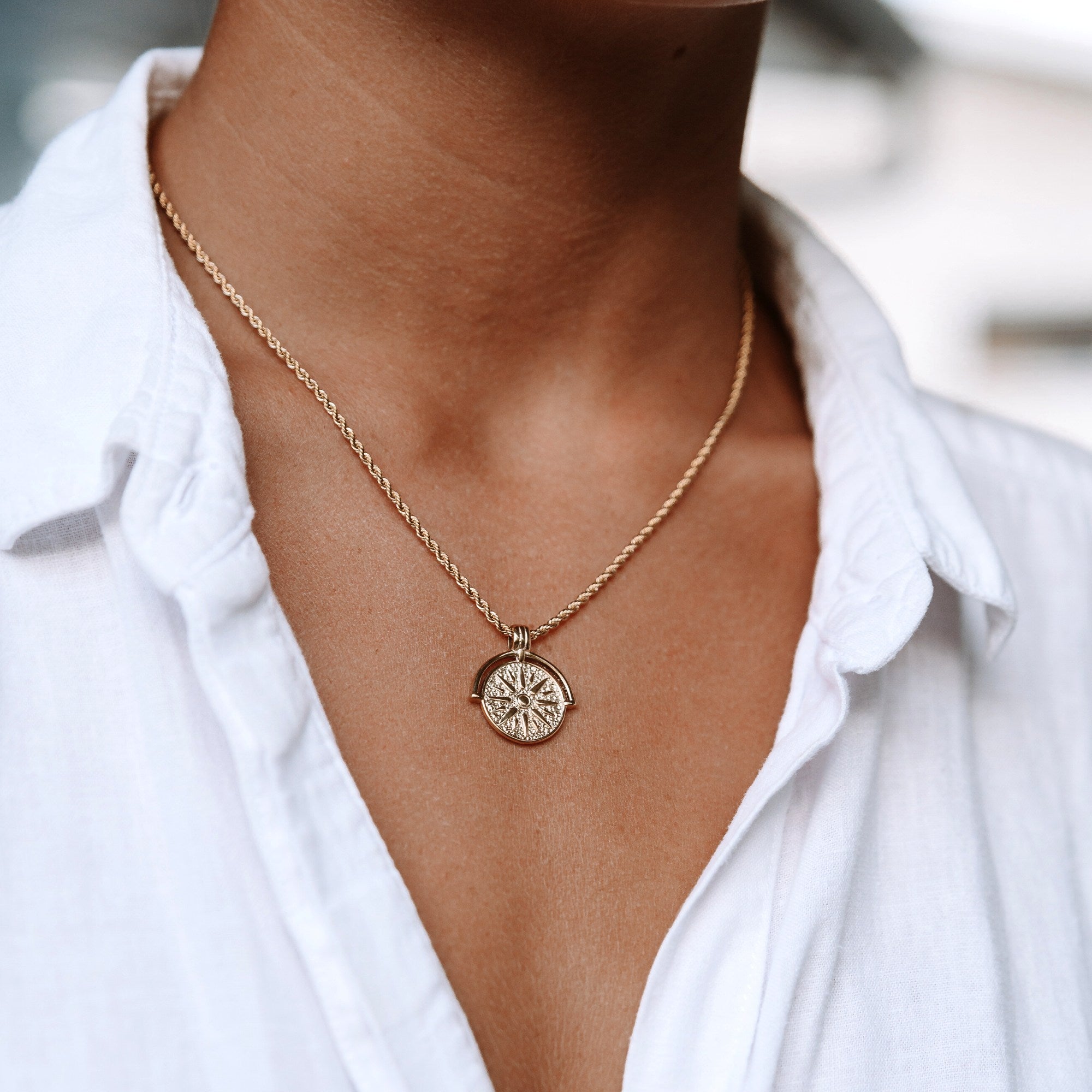
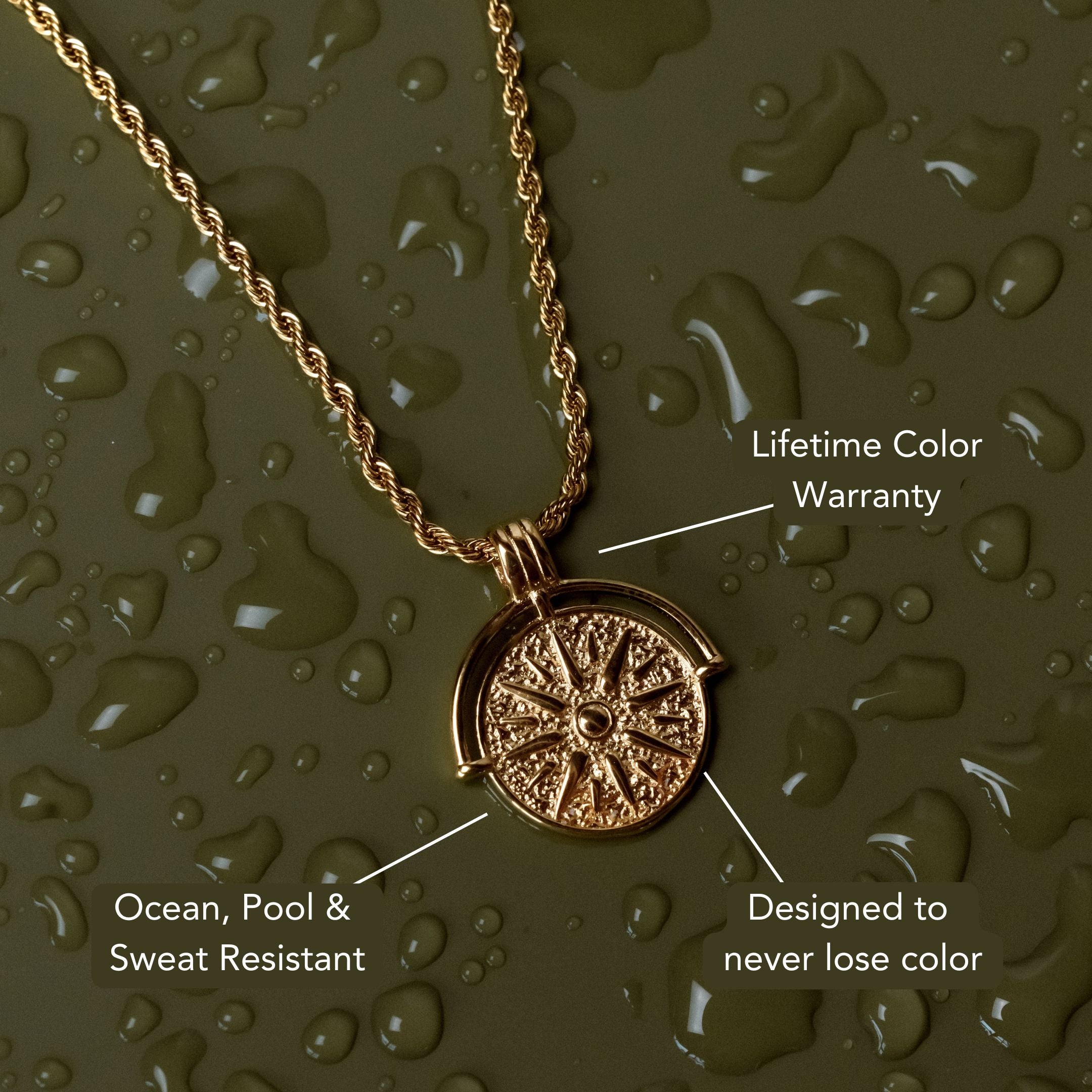
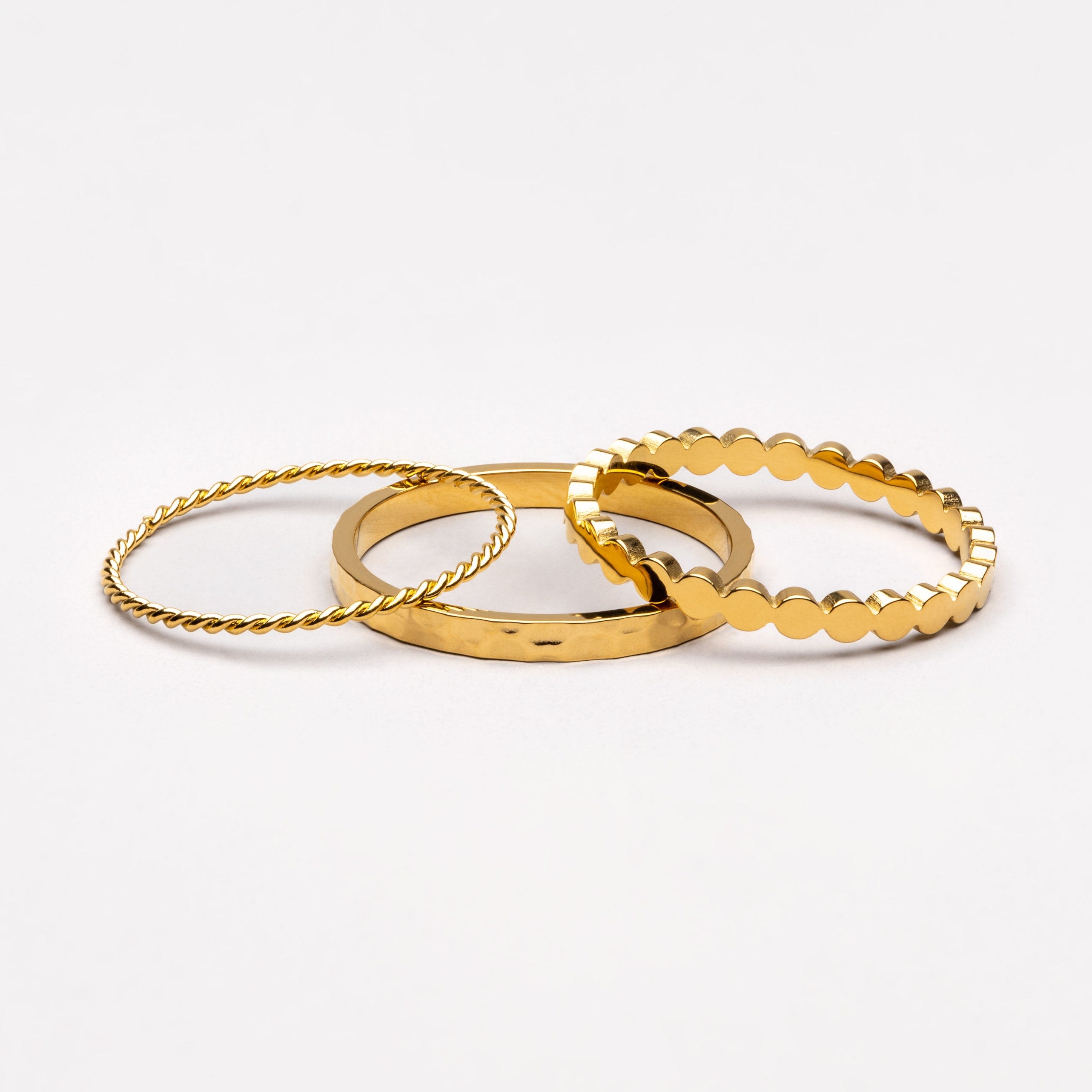
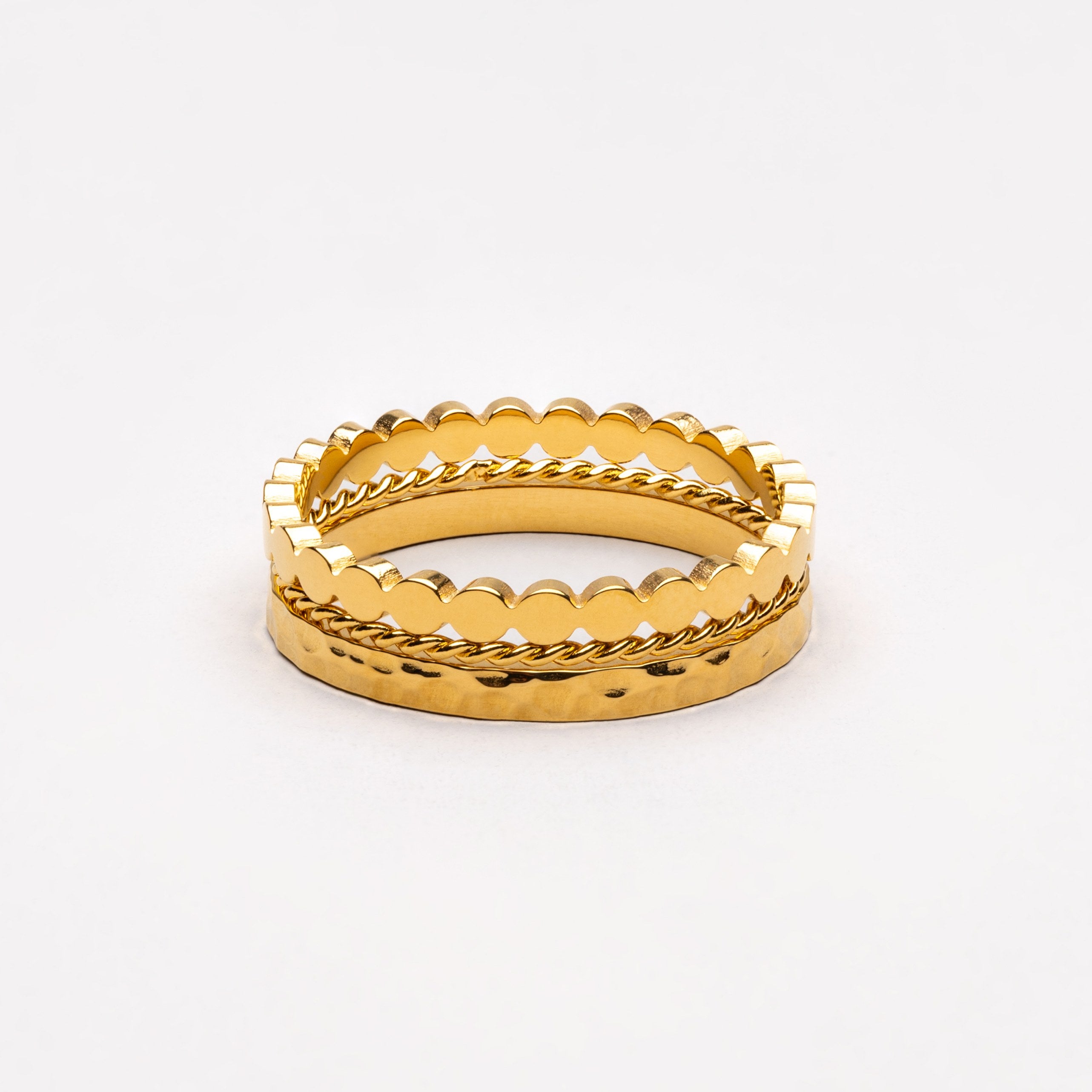
In this guide, we will walk through essential considerations for storing your most valuable pieces safely, from home security options to insurance basics every owner should understand. And if you are looking to thoughtfully expand your collection with pieces worth protecting for years to come, our Jewelry Bundle offers a curated way to invest in several coordinated pieces at once.
Why Expensive Jewelry Requires Extra Precautions
While general jewelry care focuses primarily on preventing tarnish, scratching, and everyday wear, expensive jewelry introduces additional considerations that go beyond simple maintenance. Higher value pieces represent a more significant financial investment, and in many cases, deep personal or sentimental meaning, making both security and proper documentation far more important than they would be for more casual, everyday jewelry.
Understanding these additional layers of protection helps ensure that your most valuable pieces remain safe, secure, and properly accounted for, whether you are storing them at home or considering additional off site security options.
Assess the Value of Your Collection
Before deciding on a specific storage approach, it helps to have a clear understanding of what you actually own and its approximate value. Consider having significant pieces formally appraised by a certified gemologist, particularly if you do not already have documentation regarding their materials, craftsmanship, or current market value.
This step is not just about security planning, it also lays the groundwork for proper insurance coverage, which we will cover in more detail further in this guide. Knowing the specific value of your collection helps you make more informed decisions about how much additional security investment makes sense for your particular situation.
Home Storage Options for Expensive Jewelry
Home Safes
A home safe is one of the most common and effective solutions for storing expensive jewelry securely. When choosing a safe, look for one specifically rated for both fire and burglary resistance, since standard fireproof document safes are not always designed to withstand forced entry attempts in the same way as a dedicated burglary rated safe.
For the best protection, consider a safe that can be securely bolted to the floor or wall, since this significantly reduces the risk of the entire safe being removed during a break in, a common tactic used against smaller, portable safes.
Hidden Storage Solutions
Beyond a traditional safe, some jewelry owners also incorporate hidden or disguised storage solutions as an additional layer of security. This might include a false bottom drawer, a hidden wall compartment, or jewelry storage built into furniture in a way that is not immediately obvious to someone unfamiliar with your home.
While hidden storage should not be relied upon as your sole security measure, particularly for higher value items, it can serve as a helpful supplementary layer, especially when combined with a proper safe or additional security systems.
Home Security Systems
For those with a particularly valuable jewelry collection, integrating home security measures, such as alarm systems, security cameras, or monitored surveillance, adds an important layer of protection beyond the physical storage solution itself. Even a visible security camera near common entry points can serve as a meaningful deterrent against potential break ins.

Bank Safe Deposit Boxes
For extremely valuable pieces, particularly those not worn regularly, a bank safe deposit box offers a highly secure off site storage alternative. Because these boxes are located within a bank's vault, they provide a significant level of protection against theft, fire, and other common risks associated with home storage.
The main trade off with safe deposit boxes is convenience, since accessing your jewelry requires a trip to the bank during business hours, making this option better suited for pieces you do not need regular, spontaneous access to, such as heirloom items reserved for special occasions or investment pieces not part of your everyday rotation.
Organizing Expensive Jewelry Within Secure Storage
Even within a secure safe or storage solution, proper organization remains important for both practical and protective reasons. Use soft pouches, lined compartments, or individual boxes within your safe to prevent pieces from scratching against one another, even in a secure, locked environment.
Keeping detailed documentation, such as appraisal certificates, purchase receipts, and photographs, alongside or near your stored jewelry, whether in the same safe or a separate secure location, ensures this important paperwork remains easily accessible when needed, whether for insurance purposes or future appraisals.
The Importance of Jewelry Insurance
Beyond physical storage and security measures, proper insurance coverage is an essential component of protecting valuable jewelry. Many standard homeowners or renters insurance policies offer only limited coverage for jewelry, often capping reimbursement at a relatively low amount that may not come close to covering the true value of significant pieces.
Scheduled Jewelry Insurance
For higher value items, consider adding a scheduled jewelry policy, sometimes called a rider or floater, to your existing insurance coverage. This type of policy specifically itemizes individual pieces, providing coverage up to their appraised value rather than relying on the general, often insufficient jewelry coverage included in standard policies.
Documentation for Insurance Purposes
Proper documentation significantly simplifies the insurance process, both when initially setting up coverage and in the unfortunate event of a claim. Keep detailed records including professional appraisals, original purchase receipts, and clear photographs of each significant piece, ideally stored both physically and digitally in a secure location separate from the jewelry itself.

Reducing Risk When Wearing Expensive Jewelry
While proper storage is essential, thoughtful habits around when and how you wear expensive jewelry also play a role in overall protection. Consider reserving your most valuable pieces for specific occasions rather than everyday wear, reducing the overall exposure to potential loss, theft, or accidental damage during daily activities.
When traveling with expensive jewelry, additional precautions, such as using a dedicated travel jewelry case and keeping valuable pieces in carry on luggage rather than checked bags, help extend this same protective mindset beyond your home storage routine.
Signs Your Current Storage Approach May Need Improvement
If you are unsure whether your current jewelry storage setup adequately protects your valuable pieces, a few signs may indicate it is time to reassess.
If your jewelry is currently stored in an unlocked drawer or a standard jewelry box without any additional security measures, particularly for higher value items, this represents a meaningful security gap worth addressing. If you do not have current appraisals or adequate insurance coverage for your most valuable pieces, this documentation gap could create significant complications in the event of loss or theft. If your collection has grown significantly in value since you last evaluated your storage and insurance approach, it may be time for a broader reassessment of your overall protection strategy.
Balancing Security With Accessibility
While maximizing security is important, it is also worth considering how frequently you actually wear and access specific pieces when deciding on the right storage approach. Items worn regularly may benefit from a secure but easily accessible home safe, while rarely worn heirloom or investment pieces might be better suited for a bank safe deposit box, where the reduced convenience is less of a practical concern.
Finding the right balance between security and accessibility for your specific collection and lifestyle ultimately leads to a storage approach you will actually maintain consistently over time.

Final Thoughts
Learning how to store expensive jewelry properly involves more than simply preventing tarnish or scratching, it requires thoughtful consideration of security, documentation, and insurance coverage as well. By choosing appropriate storage solutions, whether a quality home safe or a bank safe deposit box, and ensuring your valuable pieces are properly insured and documented, you can meaningfully reduce the risk of loss, theft, or damage.
Taking the time to implement these protective measures provides genuine peace of mind, allowing you to fully enjoy your most valuable and meaningful pieces without unnecessary worry.
Frequently Asked Questions
1. Do I need a special safe for jewelry, or will any safe work?
It is best to choose a safe specifically rated for both fire and burglary resistance, since standard document safes are not always designed to withstand forced entry.
2. Is homeowners insurance enough to cover expensive jewelry?
Often not, since standard policies typically cap jewelry coverage at a limited amount, making a scheduled jewelry policy worthwhile for higher value pieces.
3. Should I store all my jewelry in a bank safe deposit box?
This depends on how frequently you wear specific pieces, since regularly worn items may be better suited for a secure home safe, while rarely worn valuables may fit well in a safe deposit box.
4. What documentation should I keep for expensive jewelry?
Professional appraisals, original purchase receipts, and clear photographs are all important for both insurance purposes and general record keeping.






Leave a comment
This site is protected by hCaptcha and the hCaptcha Privacy Policy and Terms of Service apply.