



What Is a Ring Base Called: Essential Jewelry Guide
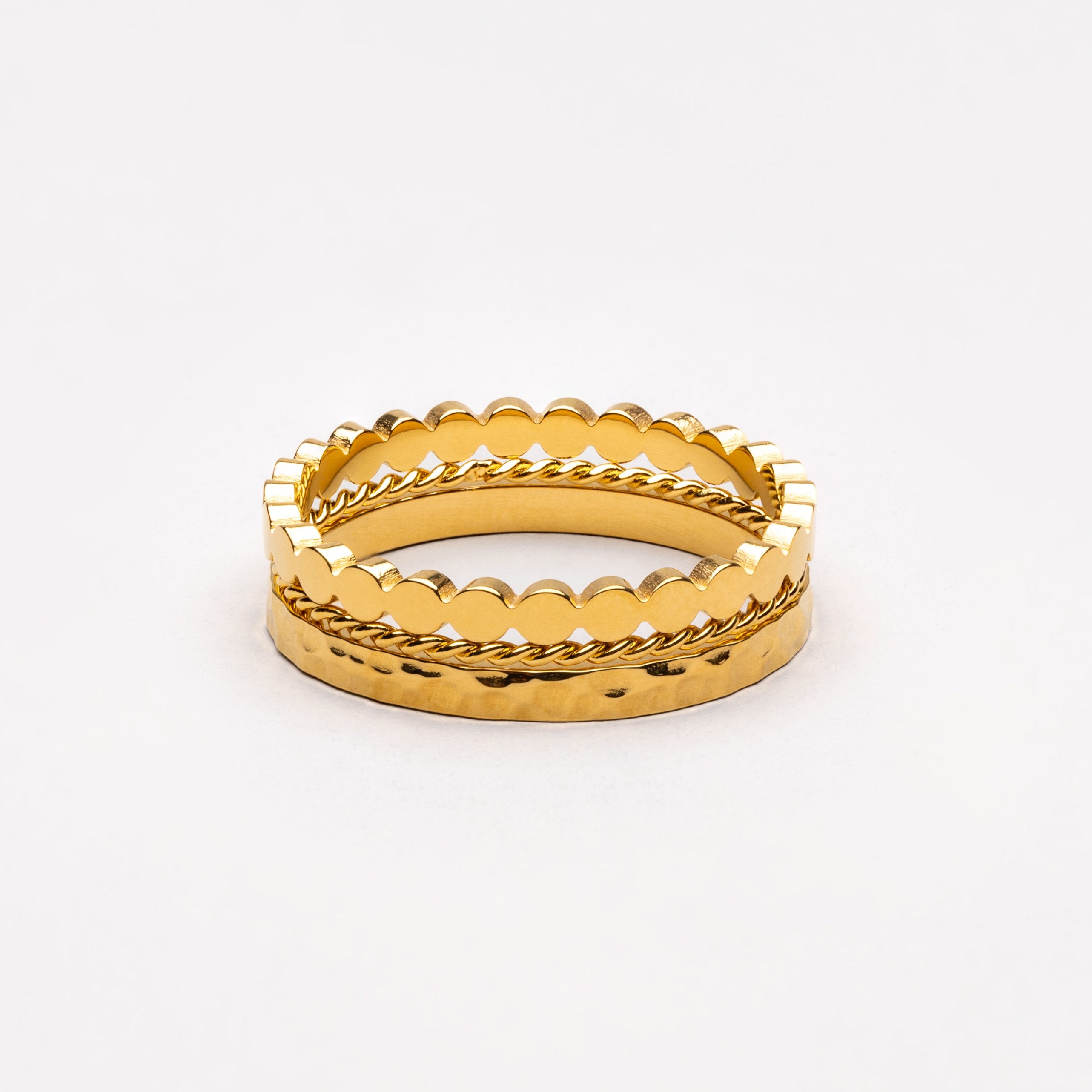
If you have ever wondered what is a ring base called, you are not alone. Jewelers use a surprisingly rich vocabulary, and the same piece can have different names depending on who you ask. In most cases, the base of a ring is called the shank, which is the band that wraps around your finger. Knowing this term, and the others that go with it, makes shopping, repairing and customizing jewelry much easier. You can also browse our Ring for Everyday Wear to see how different ring bases look and feel in real designs. Let us walk through the anatomy of a ring, one part at a time.
So, What Is a Ring Base Called?
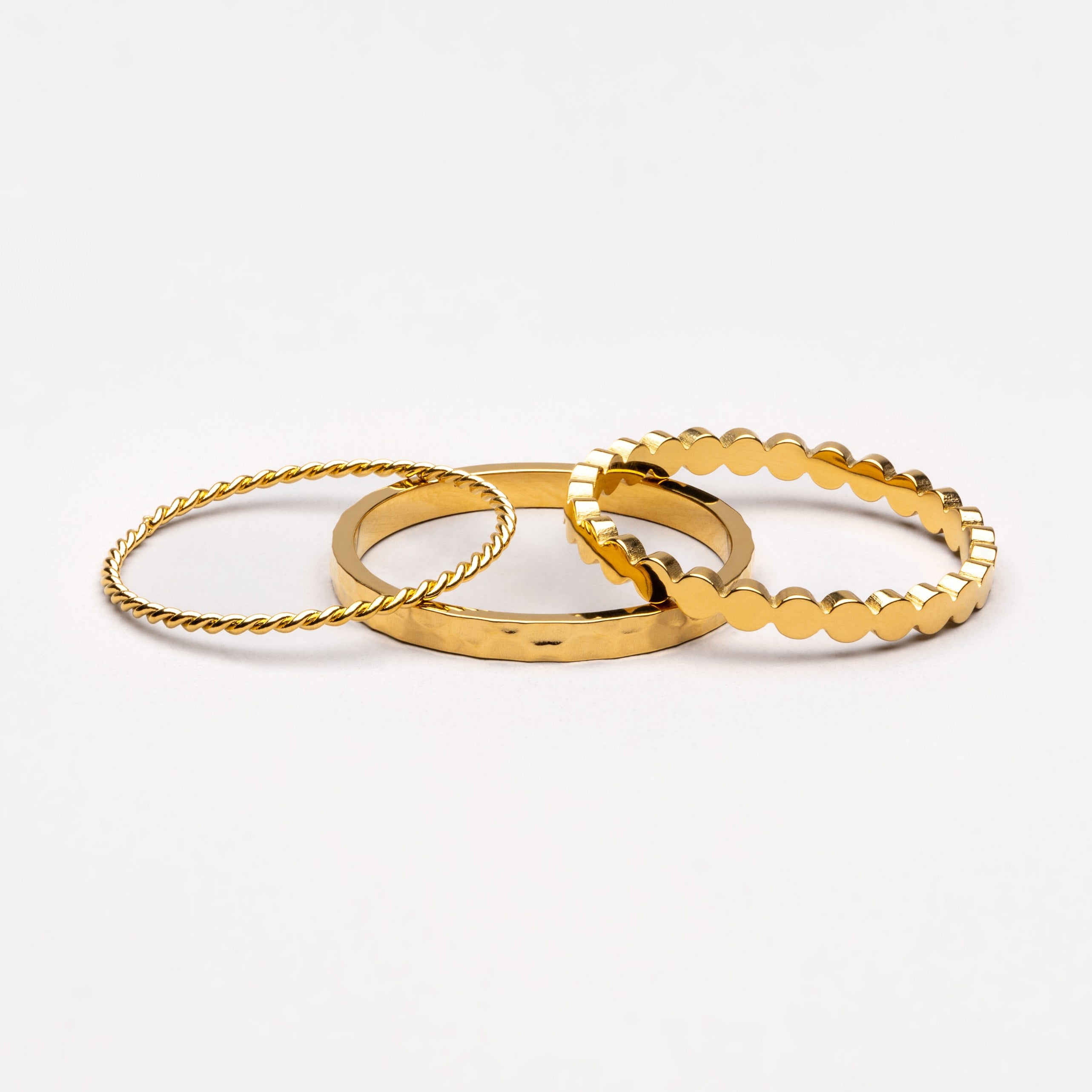
The most accurate answer is the shank. The shank is the circular band that goes around your finger and forms the foundation of the entire ring. It is also called the band or the hoop, and on a simple wedding band the whole ring is essentially one continuous shank.
Some people also use the phrase ring base to describe the setting, which is the part that holds a stone. In jewelry, the setting is usually called the head or the mount. This is why the term can be confusing. A good rule is that the shank is the base that sits on your finger, and the head is the part that sits on top and holds the gem.

The Main Parts of a Ring
Understanding each part helps you describe exactly what you want. Here are the terms you will hear most often.
- Shank. The band that circles the finger. It provides structure, comfort and the foundation for everything else.
- Head. The top section that holds the center stone in place. It can be a set of prongs, a bezel or another type of setting.
- Prongs. Small metal claws that grip the stone. Four and six prong designs are the most common.
- Shoulders. The sections of the shank that rise on each side toward the head. They can be plain, pave set with small stones or sculpted into a design.
- Gallery. The area beneath the stone, visible from the side. Many designs add decorative details here, such as filigree or open metalwork.
- Basket. The framework under the stone that supports the prongs. It is part of the head and keeps the gem secure.
- Bridge. The small section at the base of the head, where it meets the shank. On a cathedral style ring, it is where the arches come together.
Common Shank Styles
The shank may look simple, but its shape changes both the comfort and the look of the ring. These are the styles you will see most often.
Plain or Classic Shank
A smooth, uniform band is the most traditional choice. It is clean, timeless and easy to resize, which makes it a reliable option for engagement and everyday rings.
Split Shank
The band divides into two strands as it approaches the head. This adds visual interest and makes a center stone appear larger.
Cathedral Shank
Arches rise from the band toward the stone, like the ceiling of a cathedral. The style lifts the stone slightly and adds a strong, elegant structure.
Tapered Shank
The band gets thinner as it moves away from the head. Many people like this style because it feels light on the finger while still giving the stone presence.
Twisted or Rope Shank
Two or more strands wind around each other for a textured, romantic look. It is a popular choice for vintage inspired pieces.
Pave Shank
Small stones are set along the band for added sparkle. It looks beautiful, but it can be harder to resize because of the stones.

Ring Base vs. Setting: Why the Difference Matters
When you are shopping or talking with a jeweler, it helps to separate the shank from the setting. The shank affects comfort, fit, durability and resizing. The setting affects how the stone looks, how secure it is and how much light reaches it.
You can often mix and match the two. For example, a solitaire head can be paired with a plain, split or pave shank to create a very different result. Knowing the terms lets you customize a ring with confidence, instead of simply choosing from a pre-made design.
Metals Used for Ring Bases
The metal you choose for the shank has a big impact on durability, color and price.
- Yellow gold. Warm and classic, it suits many skin tones and pairs well with colored stones.
- White gold. A bright, modern look with a rhodium finish that may need re-plating over time.
- Rose gold. A soft, romantic tone that has stayed popular for years.
- Platinum. Dense, strong and naturally white. It is a premium option and holds stones very securely.
- Sterling silver. Affordable and beautiful, though it is softer and may tarnish without regular care.
For daily wear, harder metals hold up better to knocks and scratches.

Choosing the Right Shank for Your Lifestyle
The best ring base is the one that fits how you live. If you work with your hands, exercise often or wear your ring all day, a thicker, simpler shank is usually the safest choice. A low profile design, where the stone sits close to the finger, will also catch less on clothing and gloves.
If comfort is your priority, look for a comfort fit band. It has a slightly rounded inner surface that slides on and off more easily and feels gentler on the skin.
Sizing and Fit
A ring base that fits well is just as important as its looks. Measure your finger at the end of the day, when it is at its normal size. Wider bands tend to feel tighter, so you may want to go up half a size for a band that is 6 mm or wider.
The ring should slide over the knuckle with a little resistance and stay in place without spinning. Plain shanks are the easiest to resize, while pave, eternity and heavily patterned bands can be more difficult or impossible to adjust.
Caring for the Ring Base
Because the shank touches your skin every day, it takes more wear than any other part of the ring. Clean it regularly with warm water, mild soap and a soft brush, and dry it with a lint free cloth. Remove the ring before swimming, cleaning or heavy lifting, since chlorine and harsh chemicals can damage metal over time.
Check the shank for thin spots on the underside, which can wear down after years of use. A jeweler can reinforce or replace a worn shank, a repair often called re-shanking. It is a good idea to have your ring inspected once a year, especially if you wear it every day.

Conclusion
So, what is a ring base called? In most cases, it is the shank, the band that circles your finger and supports the rest of the design. The head, shoulders, gallery and prongs sit above it, and each part plays its own role in the look and strength of the ring. Once you know these terms, you can shop smarter, ask better questions and design a ring that suits your style and daily routine. Visit Atolea to find a ring that feels right for you.
FAQs
1. What is a ring base called?
The base of a ring is usually called the shank, which is the band that goes around the finger. It may also be called the band or the hoop.
2. What is the top of a ring called?
The top of a ring is called the head or the setting. It holds the center stone and may include prongs, a bezel or another type of mount.
3. What is the difference between a shank and a setting?
The shank is the band that sits on your finger, while the setting is the part that holds the gem. Together they make up the ring.
4. What is the part under the stone called?
The area under the stone is called the gallery. The supporting framework beneath the stone, which holds the prongs, is called the basket.
5. Can you replace the shank on a ring?
Yes. A jeweler can replace or reinforce a worn shank through a repair called re-shanking. This is common for rings that have been worn daily for many years.
6. Which ring shank is best for everyday wear?
A plain or tapered shank in a durable metal is usually the best choice for daily wear. It is comfortable, easy to resize and less likely to snag on clothing.







コメントを書く
このサイトはhCaptchaによって保護されており、hCaptchaプライバシーポリシーおよび利用規約が適用されます。