


How to Layering Necklaces: Easy Style Guide
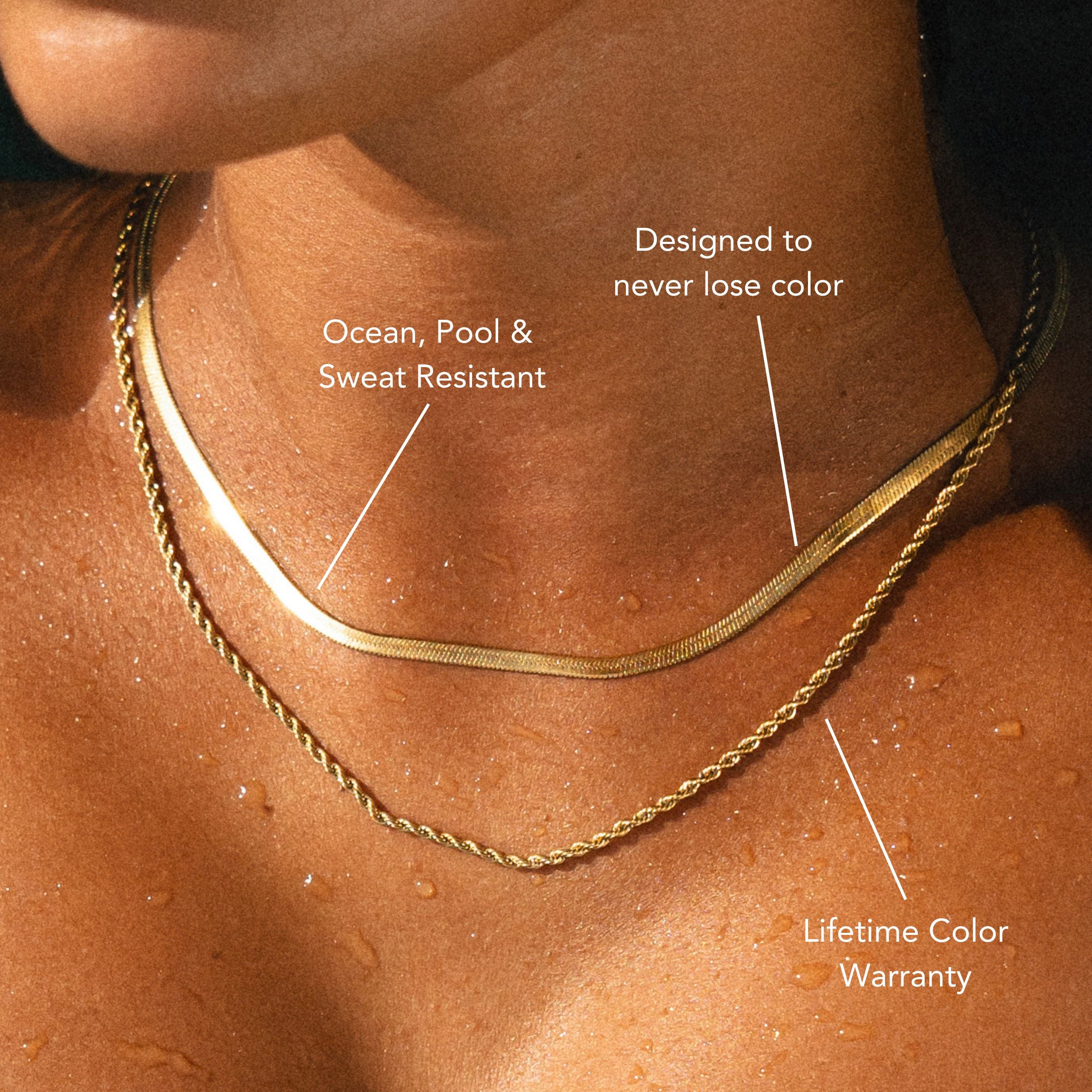
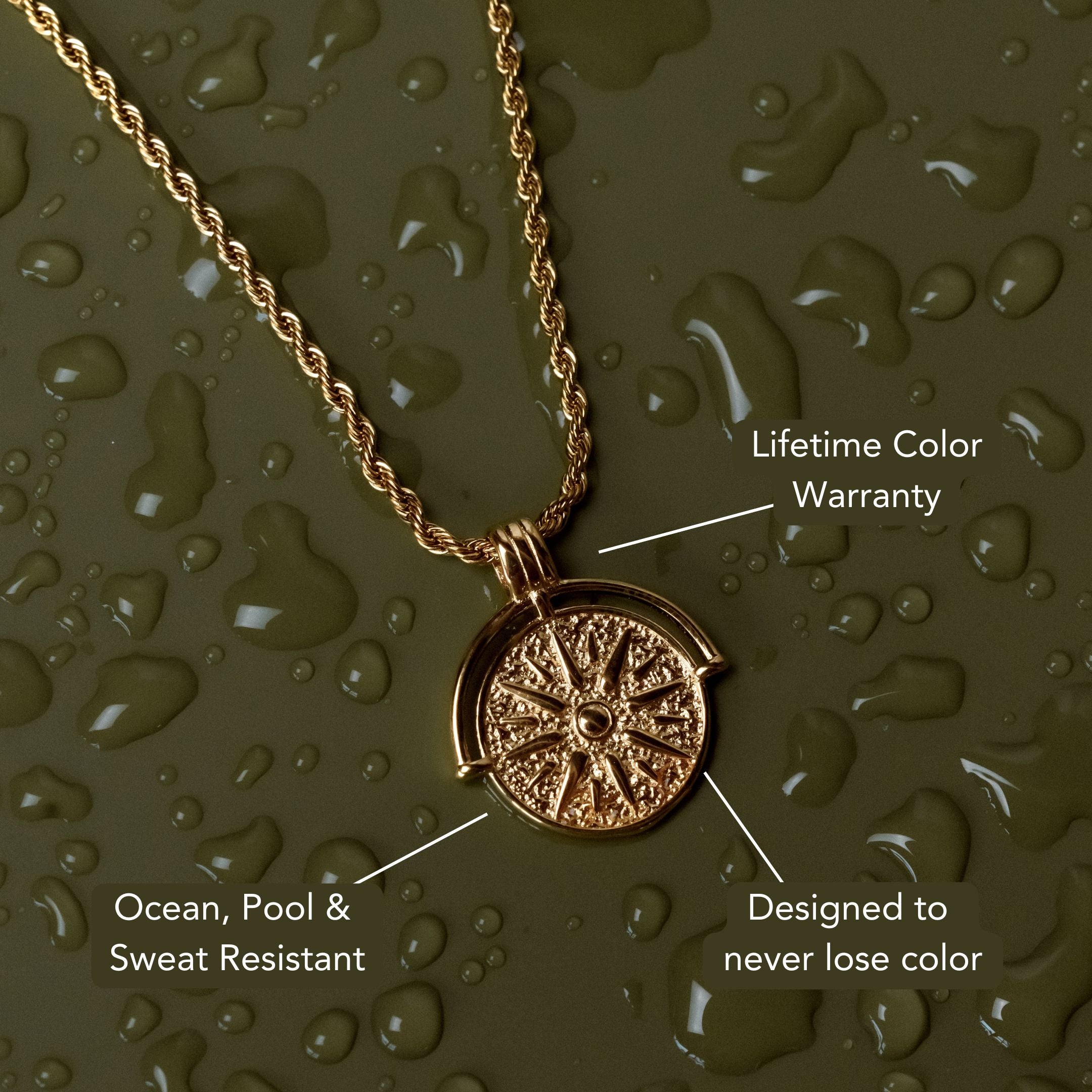
A well layered necklace stack can elevate even the simplest outfit, adding dimension and personality without requiring much effort. Still, many people are not quite sure where to start when it comes to how to layering necklaces in a way that looks intentional rather than cluttered. If you want pieces that are easy to mix, match, and wear daily, our Waterproof Necklaces collection offers versatile chains built for exactly this kind of everyday styling.
In this guide, we will cover the fundamentals of necklace layering, from choosing the right lengths and pendants to mixing metals and textures for a polished, cohesive look.
Start With a Plan Rather Than Random Pieces
The biggest difference between a necklace stack that looks curated and one that looks accidental usually comes down to intention. Rather than simply putting on every necklace you own, start by choosing two or three pieces that work together in terms of length, style, and overall vibe, then build from there.
Having a general plan in mind, whether that means a delicate everyday stack or a bolder evening look, makes the rest of the layering process much more straightforward and helps prevent the overwhelmed feeling that can come from too many competing pieces.

Choose a Range of Lengths
Length is the single most important factor in successful necklace layering. Wearing multiple necklaces of the same length tends to look flat and can also increase the chances of tangling, since the chains sit at the same point and move against each other throughout the day.
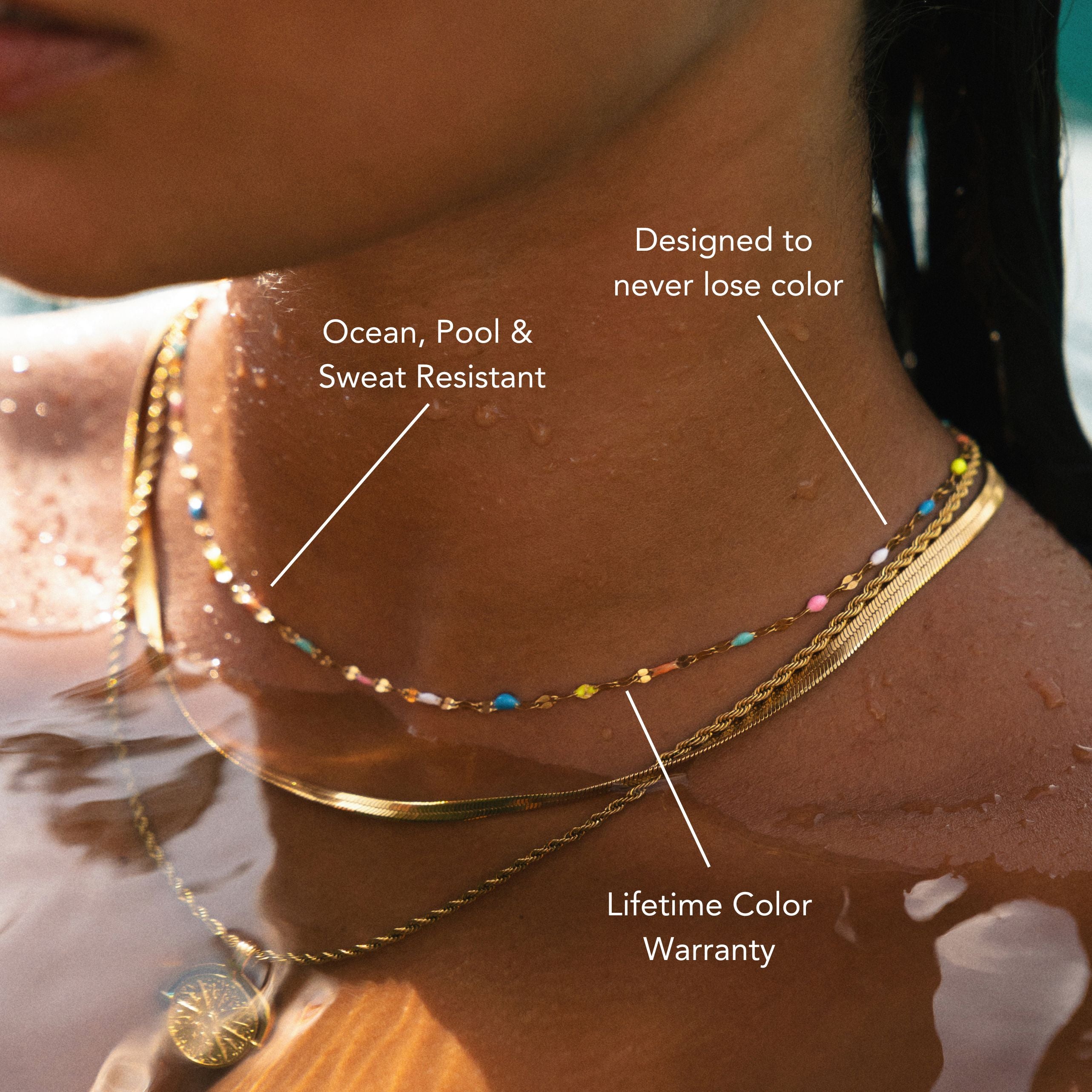
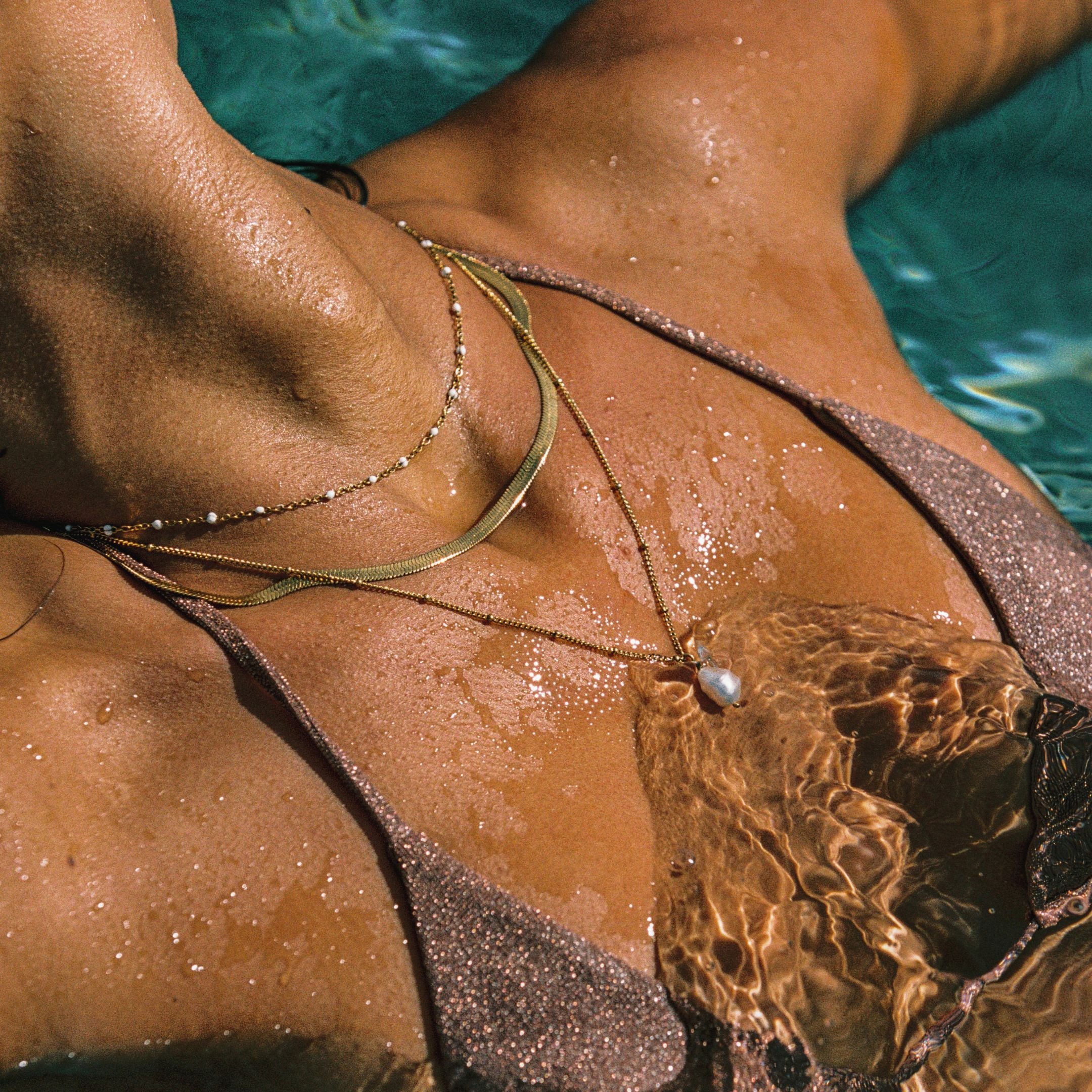
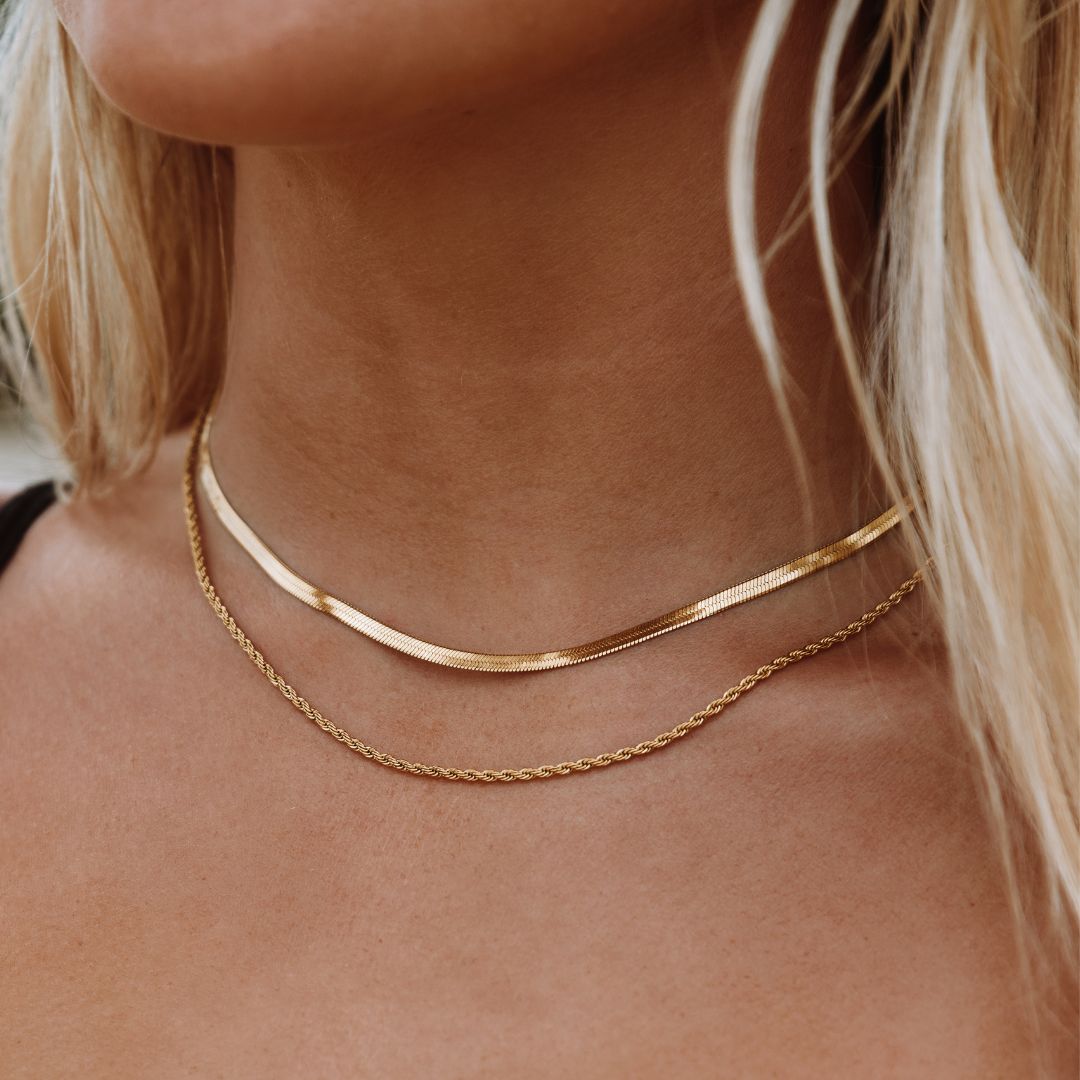
A classic layering approach uses three distinct lengths, often referred to as a choker, a princess length, and a slightly longer pendant or matinee length. The choker typically sits at the base of the neck, the princess length falls just below the collarbone, and the longer piece extends toward the chest, creating a staggered, visually interesting arrangement rather than one clustered area of chains.
Pick a Focal Point
Every great necklace stack benefits from having one clear focal point, whether that is a pendant, a gemstone, or simply the most eye catching chain in the group. This focal piece helps anchor the overall look and gives the eye somewhere to rest, rather than competing for attention among several equally bold elements.
Once you have chosen your focal piece, the remaining necklaces in your stack should feel more like supporting details, using simpler chains or smaller pendants that complement rather than compete with the main piece.
Mix Different Chain Styles and Textures
Varying the texture and style of chains within your stack adds visual interest and helps prevent the layered look from feeling repetitive. Pairing a delicate, fine chain with a slightly thicker curb or paperclip style chain creates contrast that makes each piece stand out individually, rather than blending together into one indistinguishable mass.
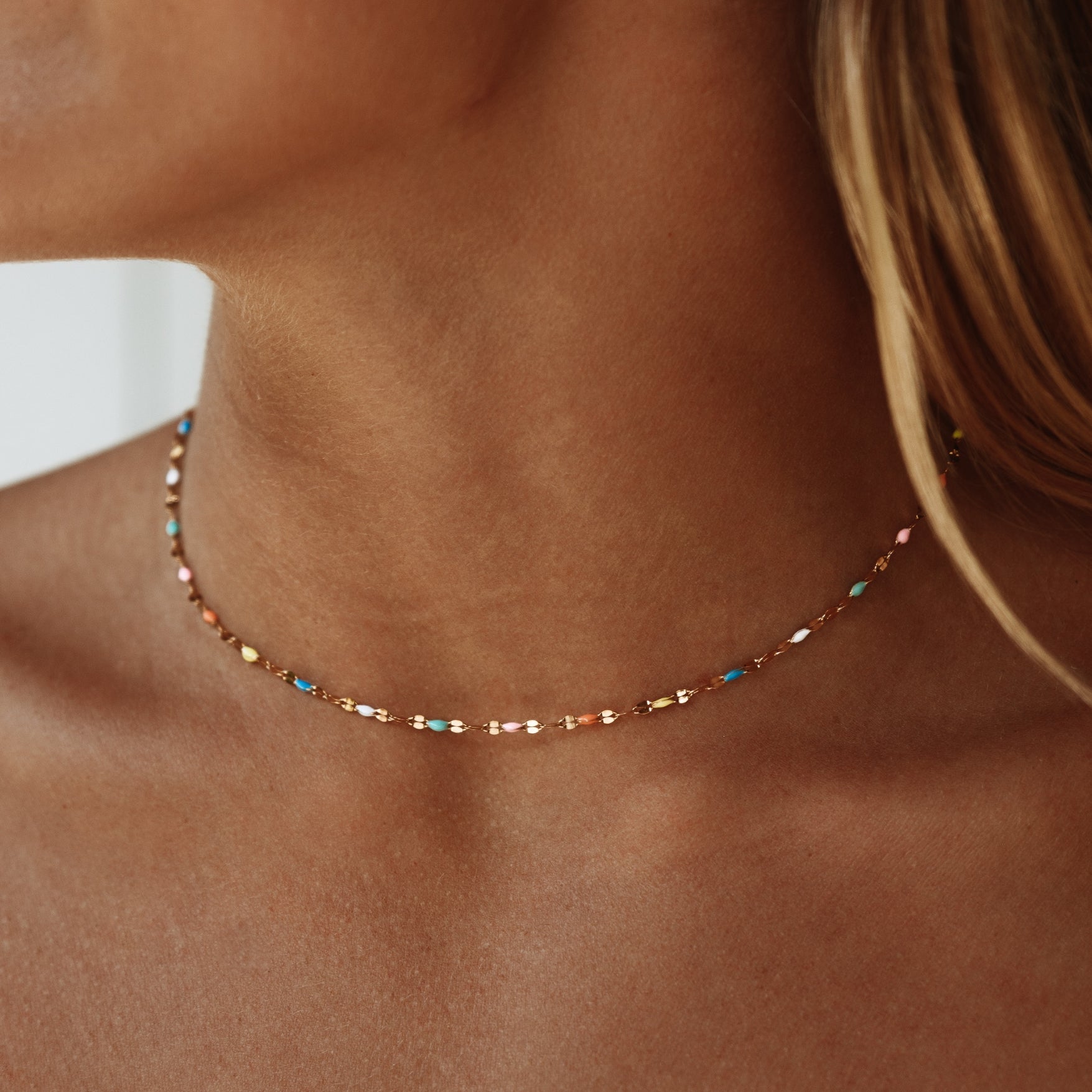
Incorporating different textures, such as a smooth chain alongside a beaded or textured piece, can also add depth to your stack, particularly for a more boho or eclectic styling approach.

Consider Pendant Placement
If your stack includes one or more pendants, thinking carefully about where each one falls along the length of your layered necklaces helps create a more balanced, intentional look. Staggering pendant placement, rather than clustering multiple pendants at the same height, allows each piece to be seen individually rather than overlapping and competing for visual space.
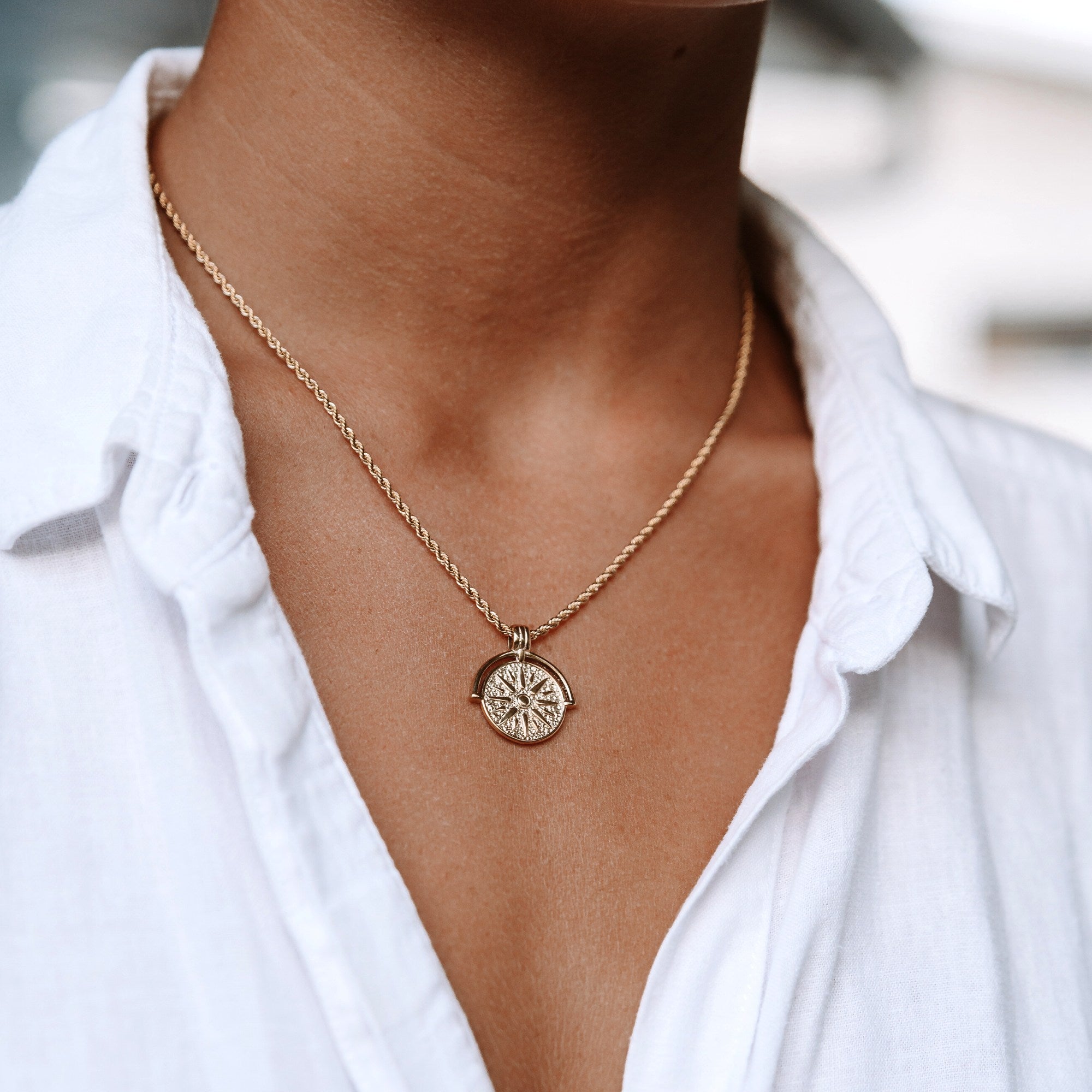
A common approach involves placing a smaller, simpler pendant on a shorter chain, then a slightly larger or more eye catching pendant on a longer chain beneath it, creating a natural visual flow from top to bottom.
Mixing Metals in a Necklace Stack
Mixing gold, silver, and rose gold tones within a single necklace stack has become an increasingly popular, modern styling choice. Rather than feeling mismatched, a thoughtfully mixed metal stack can look intentional and on trend, particularly when done with a few complementary pieces rather than a completely random assortment.
If mixing metals feels overwhelming, starting with two tones rather than three can make the transition easier, gradually building confidence before incorporating a wider range of metal colors into your everyday layering routine.
Layering With a Single Pendant Necklace as the Base
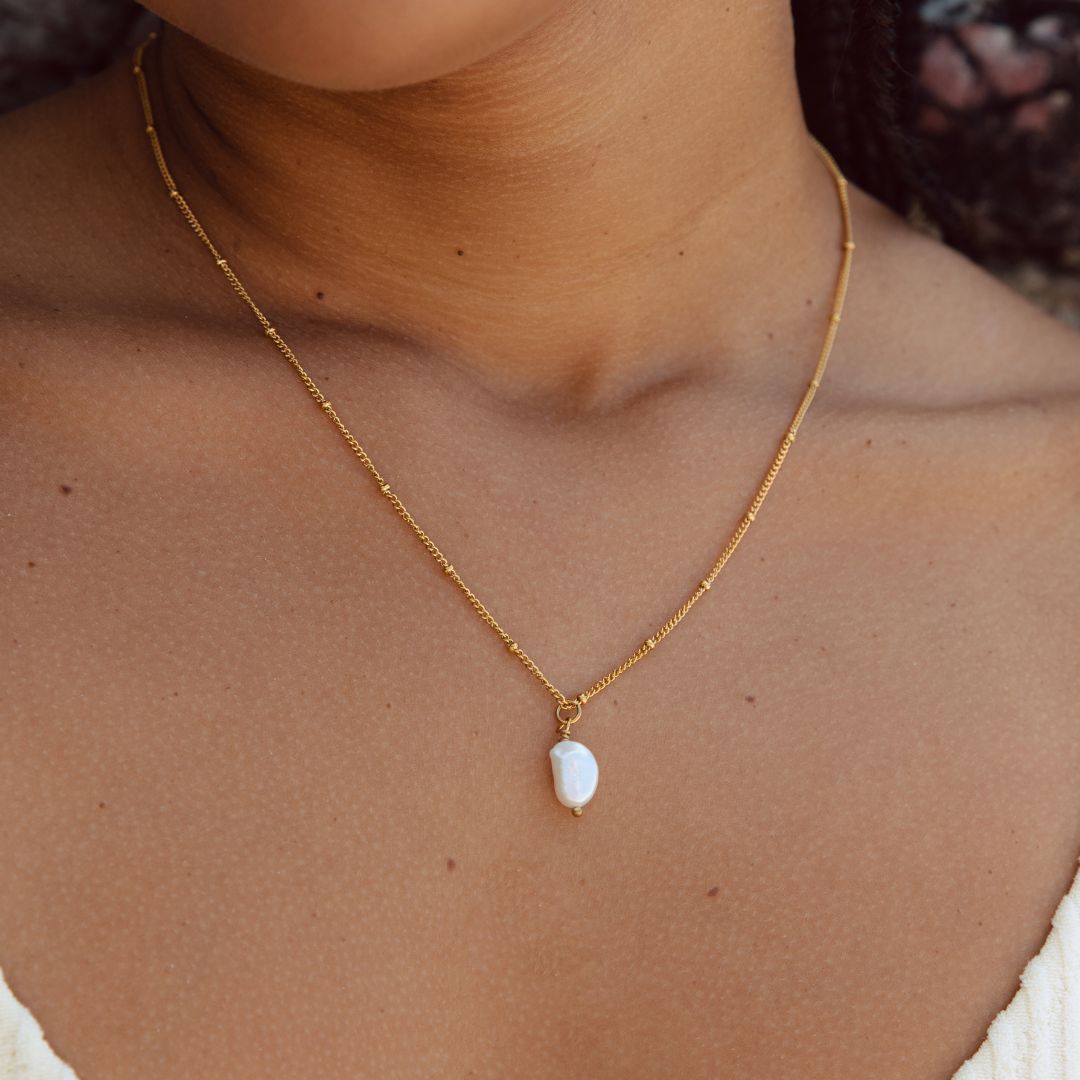
If you already own a meaningful or sentimental pendant necklace, building a layered look around that single piece can be an easy way to start experimenting with layering without needing to purchase an entirely new stack. Adding one or two simple chains above or below your existing pendant necklace can instantly elevate a familiar piece into a more elevated, layered look.
This approach also works well if you prefer a more minimal layering style, since adding just one or two additional chains to an existing favorite piece avoids an overly busy or heavy appearance.
Layering for Different Necklines
The neckline of your outfit plays an important role in how a layered necklace stack will look and function throughout the day. A crew neck or high neckline generally works best with shorter layering lengths, since longer necklaces may get lost or feel awkward against the higher fabric line. A V neck or scoop neck offers more flexibility, allowing longer pendant pieces to follow the natural line of the neckline for a cohesive, flattering look.
For a plunging neckline or a strapless top, a longer layered stack extending toward the chest can create an elegant, elongating effect that complements the exposed skin without feeling disconnected from the overall outfit.

Everyday Versus Special Occasion Layering
The approach to necklace layering can shift depending on the occasion. For everyday wear, a simple, understated stack using two or three delicate chains tends to work best, offering subtle visual interest without feeling overdone for casual settings. For special occasions or evening events, incorporating a bolder statement piece, additional texture, or a wider range of lengths can create a more dramatic, elevated look suited to the formality of the event.
Having a few go to combinations in mind for both everyday and dressier occasions makes it easy to adjust your layering approach quickly depending on your plans for the day.
Common Layering Mistakes to Avoid
A few common missteps can make a necklace stack look cluttered rather than intentional. Avoid using too many necklaces of the exact same length, since this creates a flat, overlapping appearance rather than a staggered, visually interesting one. Avoid combining too many bold statement pieces at once, since this can create visual competition rather than a cohesive, balanced look. Be mindful of proportion relative to your outfit and body type, since a stack that works beautifully on one person may feel overwhelming or underwhelming on another depending on scale and personal style.

Final Thoughts
Learning how to layering necklaces comes down to a combination of thoughtful planning, varied lengths, and a clear focal point to anchor the overall look. By mixing chain styles, considering pendant placement, and adjusting your approach based on neckline and occasion, you can build a necklace stack that feels polished and intentional rather than haphazard.
With a bit of practice and a few versatile pieces on hand, necklace layering becomes an easy, enjoyable way to add personality and depth to nearly any outfit.
Frequently Asked Questions
1. How many necklaces should I layer together?
Three necklaces of varying lengths is a classic, manageable starting point, though you can layer more or fewer depending on your personal style and the occasion.
2. What lengths work best for layering necklaces?
A common approach uses a choker, a princess length, and a slightly longer pendant or matinee length, creating a staggered arrangement rather than overlapping chains.
3. Is it okay to mix metals when layering necklaces?
Yes, mixing gold, silver, and rose gold tones has become a popular, modern approach, especially when done thoughtfully with a few complementary pieces.
4. How do I keep layered necklaces from tangling?
Choosing varied lengths and chain styles significantly reduces tangling, since necklaces sitting at different points are less likely to cross over and catch on each other.
5. What is the easiest way to start layering necklaces?
Building a stack around one existing pendant necklace, then adding one or two simple chains above or below it, is an easy, low commitment way to begin layering.






コメントを書く
このサイトはhCaptchaによって保護されており、hCaptchaプライバシーポリシーおよび利用規約が適用されます。